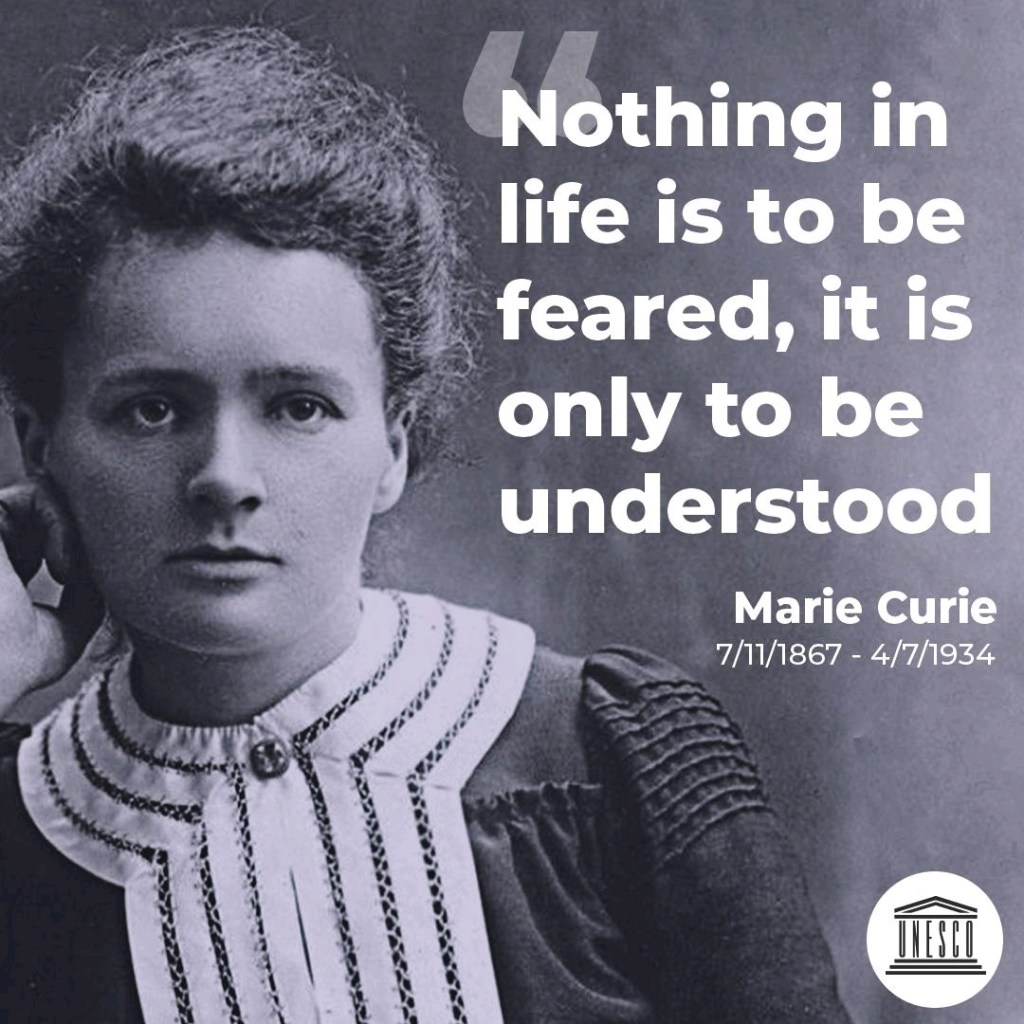
“Love cures people — both the one’s who give it and the one’s who receive it” _ psychiatrist Karl Meninger,1893-1990
Role of joy is infinite in our lives. From the moment we are born to the moment we take our last whiff, joy is like a ride we save throughout our existences. Now, what do we mean by term joy – it is a benevolent form of harmony that enriches us with happiness, contentment, elation and solace within and between our mind-body. Joy is an absolute pleasure in being resilient: finding the strength to live healthily.
Dr.John DeFrain, PhD, a professor of family studies at the University of Nebraska, said: “I decided to look at adults who’d had traumatic childhoods because I knew some very neat people who had come from that background. I thought it would be all warm and fuzzy feeling. But these were people who were sometimes just barely hanging on. They were surviving as children, but just.”
Healthy development comprises of emotional, psychological, social, spiritual and physical well being. It is attainable if we strike a balance between all of these. Childhood experiences reveal a great deal about adulthood experiences. If a child has had traumatic encounters during his/her developmental stage, it leaves a long-lasting impact on the child. Children with complex trauma histories such as neglectful parenting, abuse & other exposures to violence, family dysfunction etc have a profound and chronic concussion on many different areas of functioning. These incidents interfere with neurobiological development and capacity to integrate sensory, emotional and cognitive information into a cohesive whole.
A child is traumatized multiple times, the imprint of the psychological wound becomes lodged in many aspects of his or her makeup. This is manifested in multiple ways: fearful reactions, aggressive and sexual acting out, avoidance and uncontrolled emotional reactions. To process their traumatic experiences, these children first need to develop a safe space where they can look at their traumas without repeating them and making them real once again.
Healing a mentally bruised child is time taking and incredibly demanding. However if a proper systematic and integrated therapeutic space is catered to the child, results are promising and surprisingly encouraging.
Rewards of joy and contentment are beyond hedonic values and have a potential positive affect. Developmental trauma is healed over time, it doesn’t happen overnight, it is the process on wheels – it keeps moving. A child requires a safe and accepting environment for the effect to decrease caused by unhealed adverse distressed incidences.
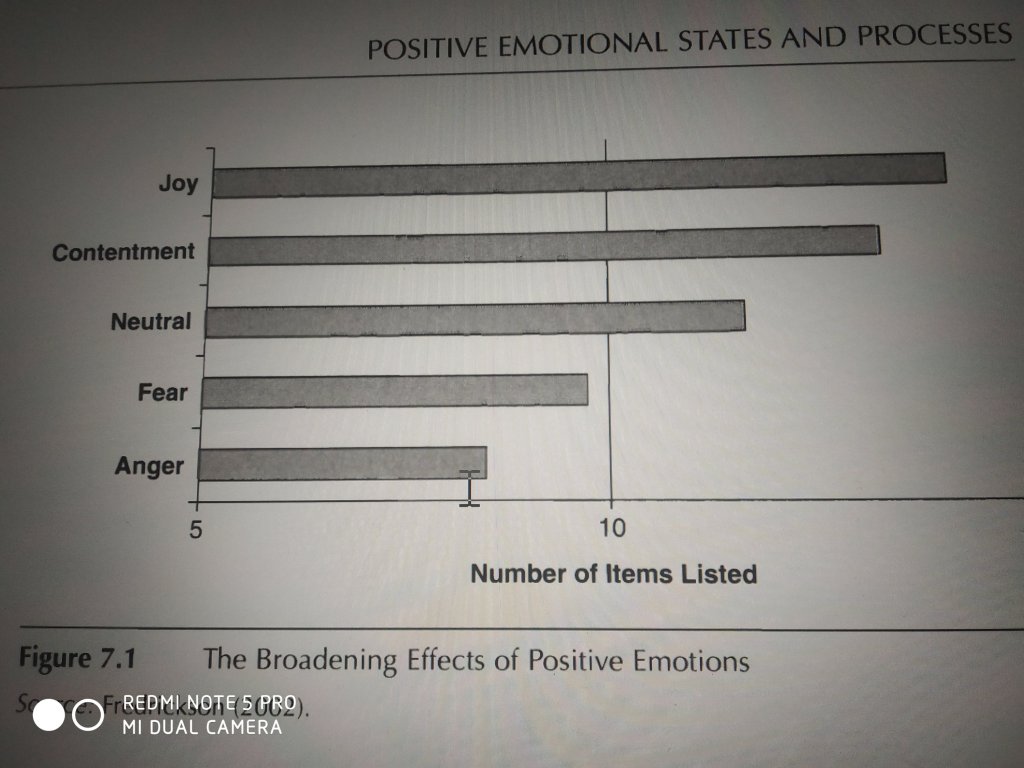
The purpose of this study is to show that role of positive emotions such as resilience, compassion, caring, affection, happiness, gratitude and joy all are very helpful in increasing resistance to mental illness and less susceptible to inability to withstand stressful situations. The power of emotional intelligence and positive affect is not hidden from anyone. It is a testified fact and truth.
To ensure and develop faith within the individual, they have to be reached out in the sense that the individual feels comfortable and at peace. Joy appears to open us up to many new thoughts and behaviours, whereas negative emotions dampen our ideas and perspective on happiness and love. Joy brings out the innocence in you , a second chance to rediscover your meaning and purpose of living. It makes you feel elated & thrilled to welcome new opportunities and dream doors for future prospects.
It also fills the void and the emptiness that you as a child underwent, it increases your self-worth, esteem and efficacy. When you are broken and shattered all you wish is to have someone who can hold you while you fix yourself and recover from the abrasions.
Children who have been through a complex developmental trauma repeatedly lose all hope and get blinded that there is nothing better that’s waiting for them or they can’t ever live a carefree life again.
Here are a few points that are worth applying when it comes to dealing with traumatic events with children and even grown-ups.
- Enabling choice – happiness is a choice you make. We always have a choice between opposing dialects, it depends on us which path to choose. The choice will help you demarcate between what’s best for you and what is not. Making a choice to create a balance will help you in the long term well being.
- Learned optimism – Optimistic people often see struggles as a part of uncomfortable growth, they do not get overwhelmed so easily by harsh realities of life, instead, they acknowledge that in spite of all the fears and adverse circumstances we face, one can and should get back up at any point of time in their life. We Can still find enough reasons to take care of ourselves and others.
- Hope is the best medicine – This is one thing which we never stop doing. We hope for a better world and better us. Hope ingrains faith, faith inculcates trust, trust precedes change, change brings the purpose of life, Purpose puts up with overall wellness of mankind. Hope never dies, it breathes within each human being. If you can hope to regain the strength & courage, you can be the happiest person despite all the hardships.
- Increasing autonomy – Now this will only happen if we try to increase self-confidence and competency, autonomy should first come from the mind and then it will be acted upon as a consequence of behaviour. A child should never be made to feel inadequate and inferior to others, or even the opposite – superior and egocentric. The right privilege and attitude are the most effective to build autonomy. They should be made to realize their own potential and how valuable they are. Often such negative, intolerant and uncompromising situations rupture mindset of the individual and they are left feeling clueless of their capabilities, either they bend towards narcissism, emotional coldness, avoidant, insensitive personalities or they delve into hyper-vigilant & neurotic mode self-sabotaging thoughts, feelings of incompetency, worthlessness & self – victim dispositions. So it is all the more crucial to help them recognize their true potentials and thereby allowing them to think and act independently.
To conclude, we all must know that no journey is the same, we all have dark pasts that can pull us down, but we must remember we are healers and this is the ultimate objective we shall abide by. Thank you & regards @ Paridhi Talwar
D

 Site Title